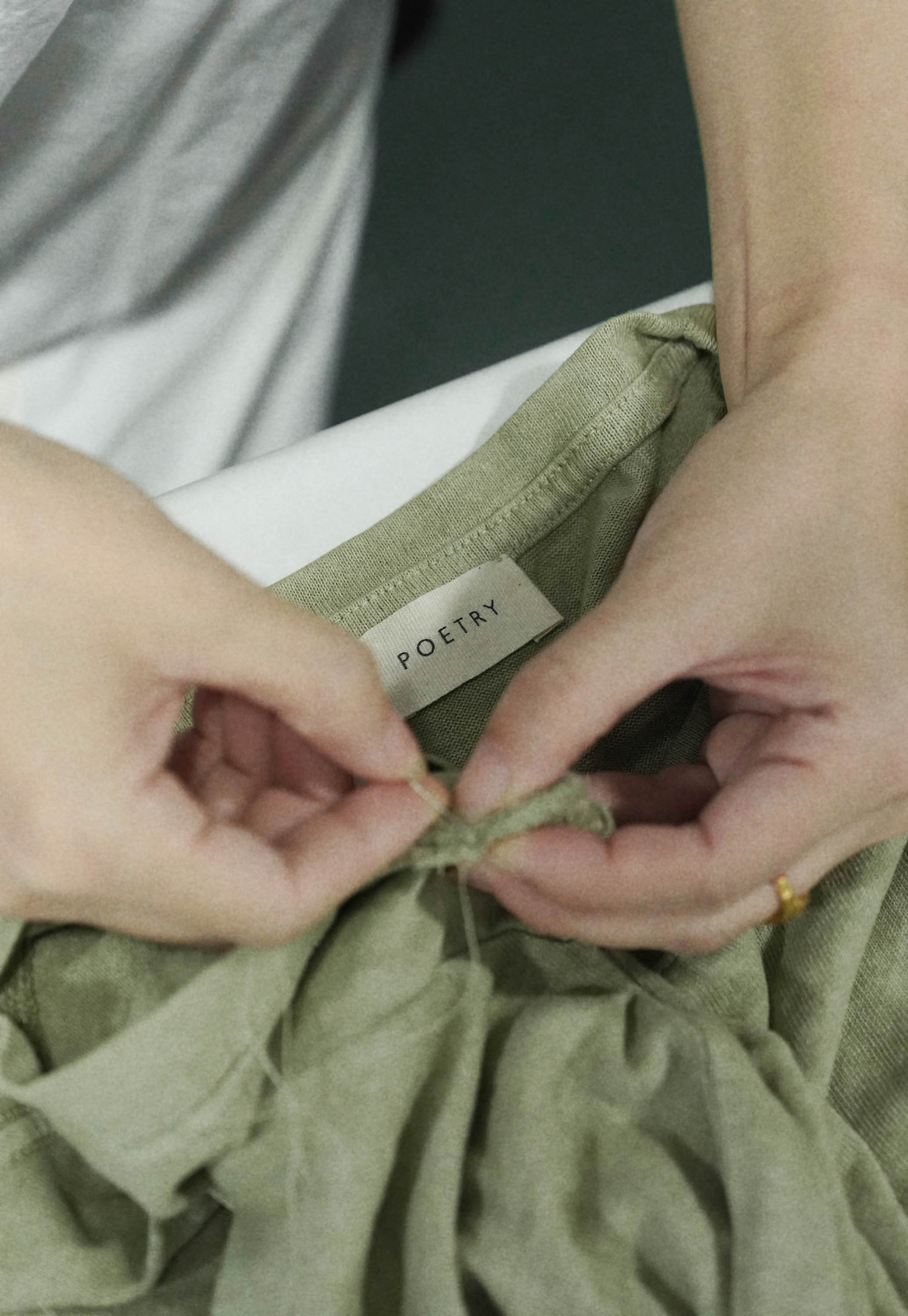
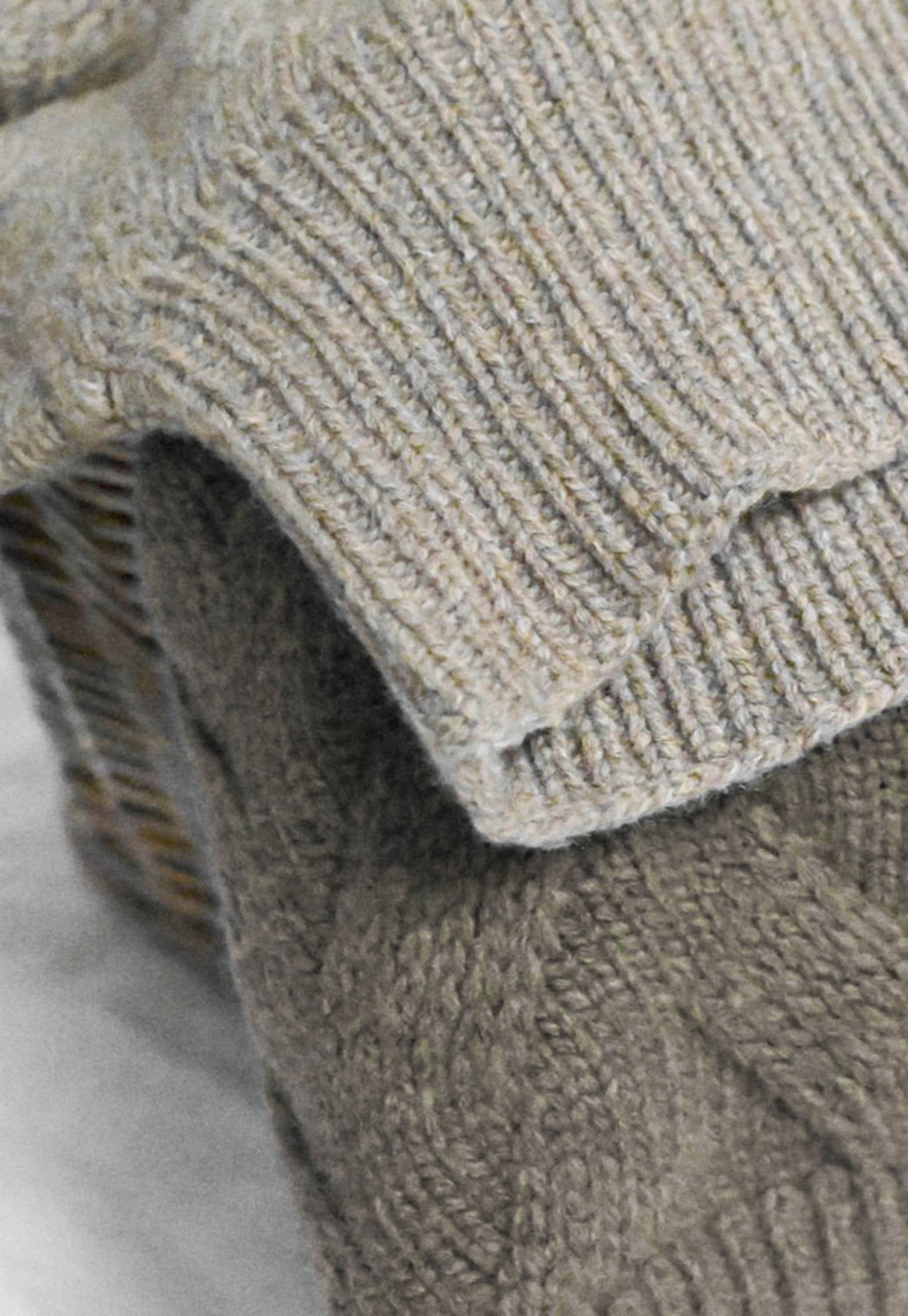
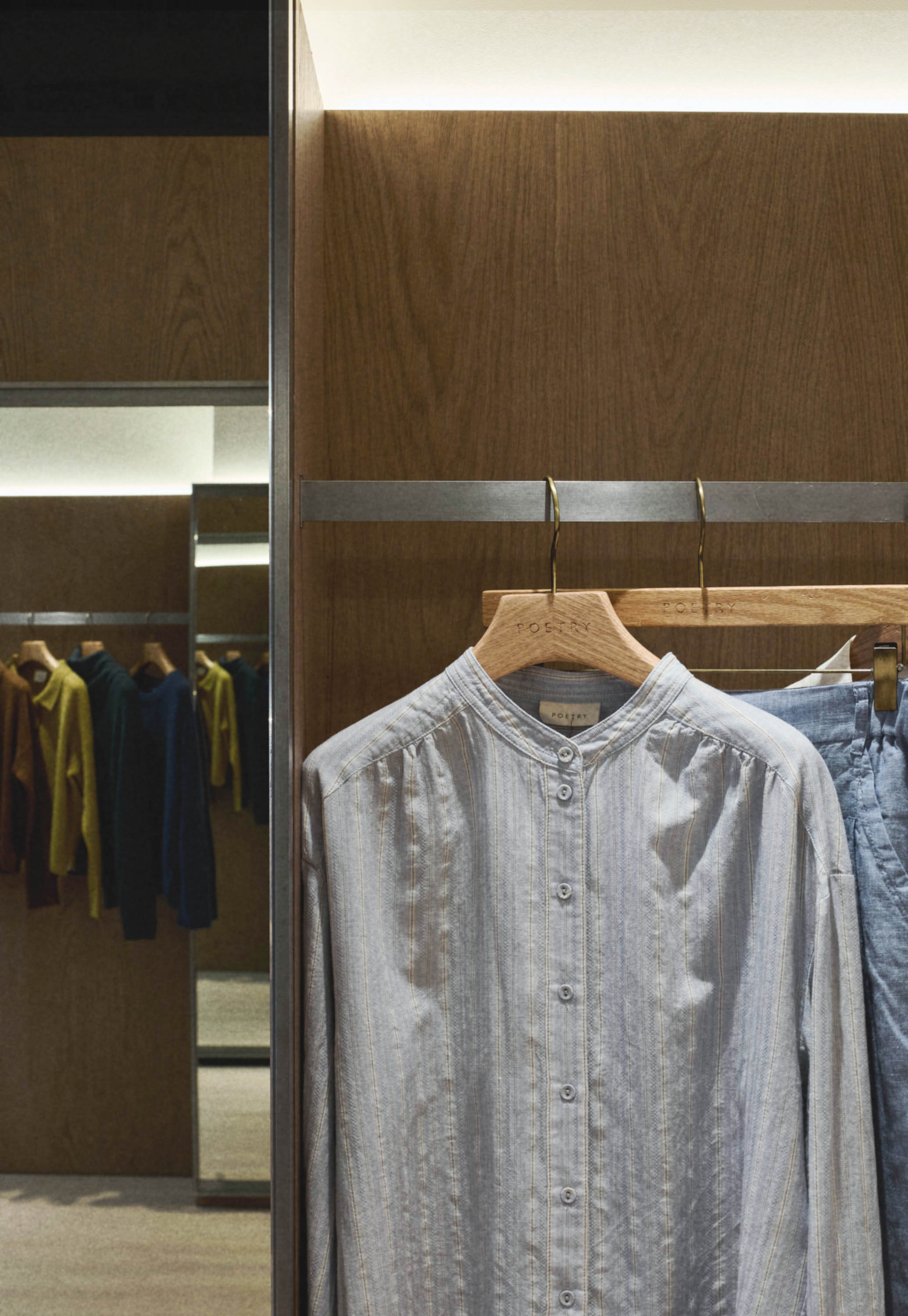
Our Sustainability Manager’s recent journey to China uncovered the story of one of nature’s most remarkable fibres - hemp. From the fields where it grows to the factory where fibres become fabric, every step revealed an extraordinary blend of heritage, innovation, and human touch. Read on for Liene’s story of how people, skill, and passion come together to create one of POETRY's favourite fabrics.
The Hemp Story: Part 1
Our Sustainability Manager’s recent journey to China uncovered the
story of one of nature’s most remarkable fibres - hemp. From the fields
where it grows to the factory where fibres become fabric,
every step revealed an extraordinary blend of heritage, innovation, and human
touch. Read on for Liene’s story of how people, skill,
and passion come together to create one of POETRY's favourite
fabrics.
MEET UNCLE GUAN
During the night it had rained heavily, and the morning was dull. We were picked up by our hemp supplier Mr. Guan, to take us to the fields – the start of our hemp supply chain.
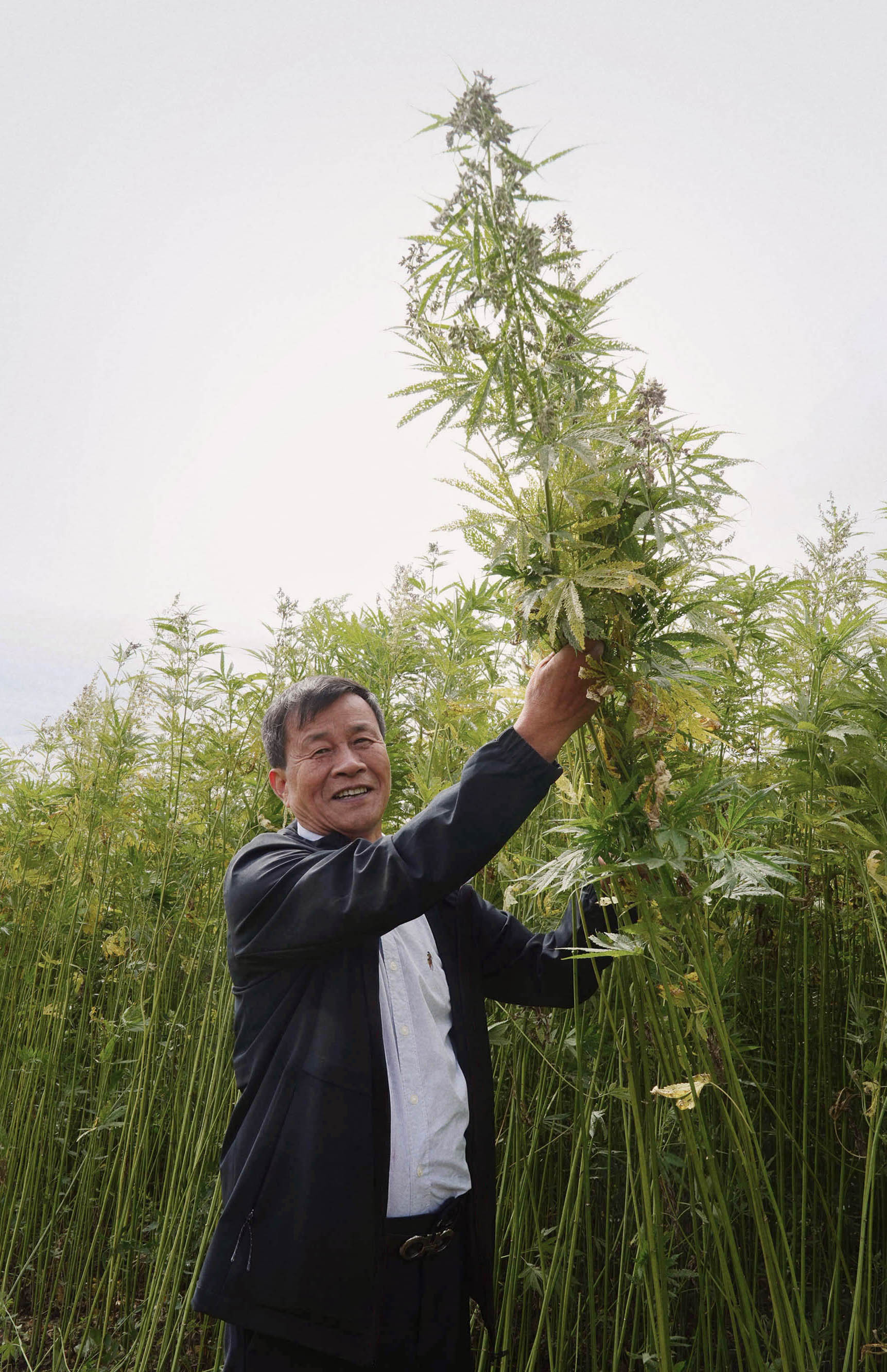
Everyone who met Mr. Guan called him “Uncle Guan.” He had a reputation for being a warm-hearted hemp farmer, or perhaps more accurately, a friendly hemp businessman.
As we drove out of the small village of Sunwu, the landscape resembled Northern Europe: endless views of fields and pine and birch forests. Our first stop was Uncle Guan’s factory, where we were greeted by a small army of dogs, happy to see the visitors. Here, he had his office and ran a small hemp processing site. One side housed machinery for processing hemp fibres, and the other was dedicated to processing leftover hemp stalks into bedding for animals.
As the sky began to clear, we quickly switched from the car to a truck and, with two farmers holding on at the back of the truck, on we went. The road to the fields was muddy and rocky, and I had to protect my head from hitting the roof whenever the truck jolted. Steering with one hand and gesturing with the other, Uncle Guan told us about hemp.
He explained that industrial hemp could only be grown in a few regions of China: this northern area, and one in the south. The north produced the best hemp for fibre, specially cultivated to have less than 0.3% THC, while the south was better for seeds, food, and marijuana, which was illegal but still happened.
In the north, hemp fibre loosened during the day and grew quickly, but the cold nights made the fibres close and strengthen. With winter temperatures easily reaching –30°C and summers up to +30°C, there was only one hemp harvest each year. Seeds were sown in April and harvested in August.
Uncle Guan said there were three reasons why his hemp, and the hemp from this region, was the best in the world: the black soil, the seed and his years of experience.
GROWING HEMP
When he first started growing hemp, he worked for nine years at a loss until he finally made a profit. Asked why his first years of hemp farming were so difficult, he explained that the soil had been degraded by farmers who mostly grew yellow beans and used harsh chemicals, back when there were no regulations. Hemp didn’t grow well in poor soil, so it took time to restore the land’s health. At the beginning there was also little knowledge about hemp farming. He consulted researchers and scientists but rarely got useful answers.
Now, to determine the right time for harvest in August, he simply looked at the plant and judged with his experience. That summer had been warmer than usual, and he had even asked to postpone our visit by a week as the hemp wasn’t quite ready. Since we couldn’t, he agreed to harvest a small field for us.
Everyone who met Mr. Guan called him “Uncle Guan.” He had a reputation for being a warm-hearted hemp farmer, or perhaps more accurately, a friendly hemp businessman.
As we drove out of the small village of Sunwu, the landscape resembled Northern Europe: endless views of fields and pine and birch forests. Our first stop was Uncle Guan’s factory, where we were greeted by a small army of dogs, happy to see the visitors. Here, he had his office and ran a small hemp processing site. One side housed machinery for processing hemp fibres, and the other was dedicated to processing leftover hemp stalks into bedding for animals.
As the sky began to clear, we quickly switched from the car to a truck and, with two farmers holding on at the back of the truck, on we went. The road to the fields was muddy and rocky, and I had to protect my head from hitting the roof whenever the truck jolted. Steering with one hand and gesturing with the other, Uncle Guan told us about hemp.
He explained that industrial hemp could only be grown in a few regions of China: this northern area, and one in the south. The north produced the best hemp for fibre, specially cultivated to have less than 0.3% THC, while the south was better for seeds, food, and marijuana, which was illegal but still happened.
In the north, hemp fibre loosened during the day and grew quickly, but the cold nights made the fibres close and strengthen. With winter temperatures easily reaching –30°C and summers up to +30°C, there was only one hemp harvest each year. Seeds were sown in April and harvested in August.
Uncle Guan said there were three reasons why his hemp, and the hemp from this region, was the best in the world: the black soil, the seed and his years of experience.
GROWING HEMP
When he first started growing hemp, he worked for nine years at a loss until he finally made a profit. Asked why his first years of hemp farming were so difficult, he explained that the soil had been degraded by farmers who mostly grew yellow beans and used harsh chemicals, back when there were no regulations. Hemp didn’t grow well in poor soil, so it took time to restore the land’s health. At the beginning there was also little knowledge about hemp farming. He consulted researchers and scientists but rarely got useful answers.
Now, to determine the right time for harvest in August, he simply looked at the plant and judged with his experience. That summer had been warmer than usual, and he had even asked to postpone our visit by a week as the hemp wasn’t quite ready. Since we couldn’t, he agreed to harvest a small field for us.
THE HARVEST
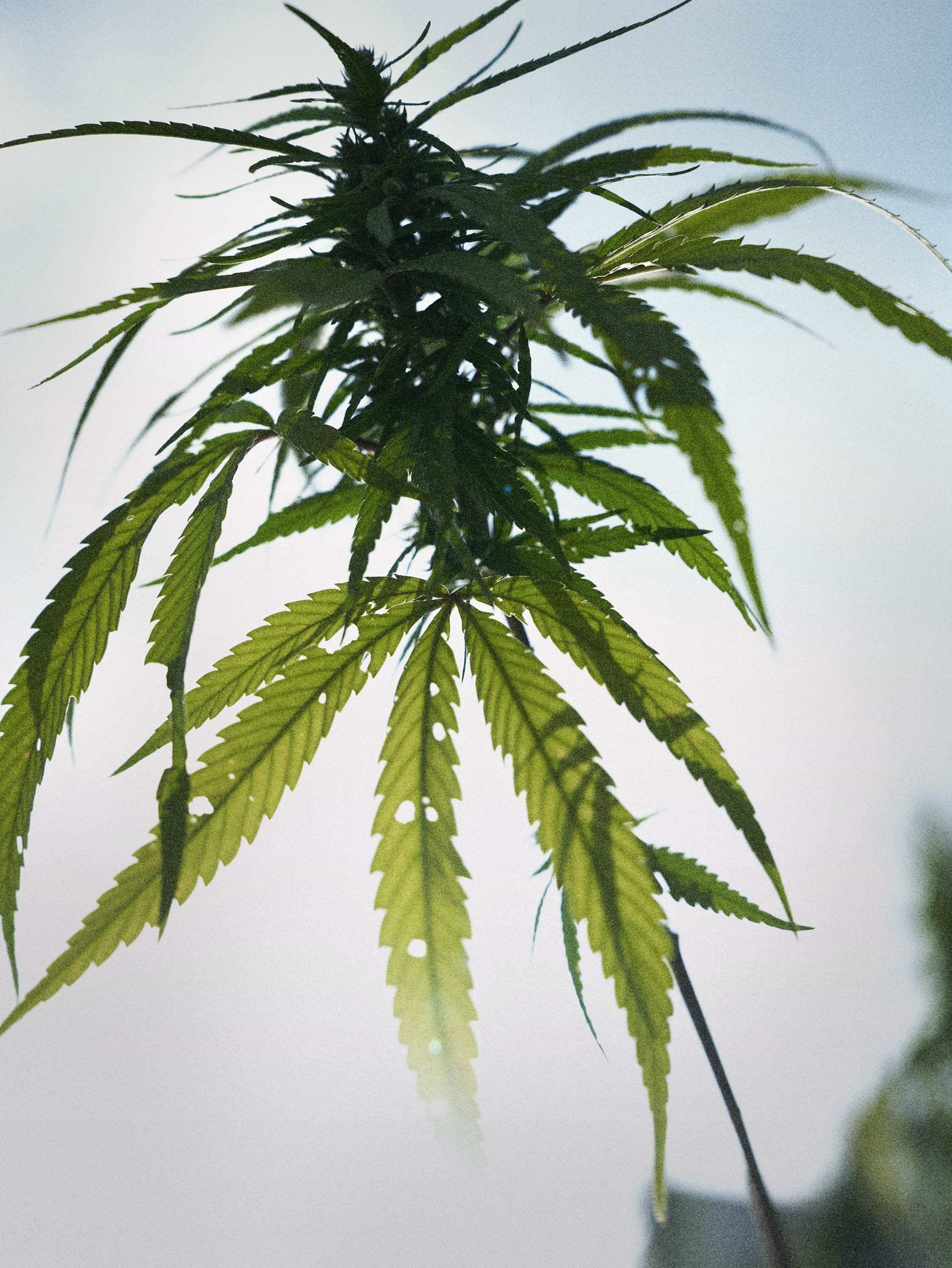
When we arrived, Uncle Guan went straight into the field, grabbed a hemp plant a head taller than him, pulled it from the ground, and stripped fibres from the stalk, showing how they separated from bottom to top. He seemed genuinely happy to be in the field with us.
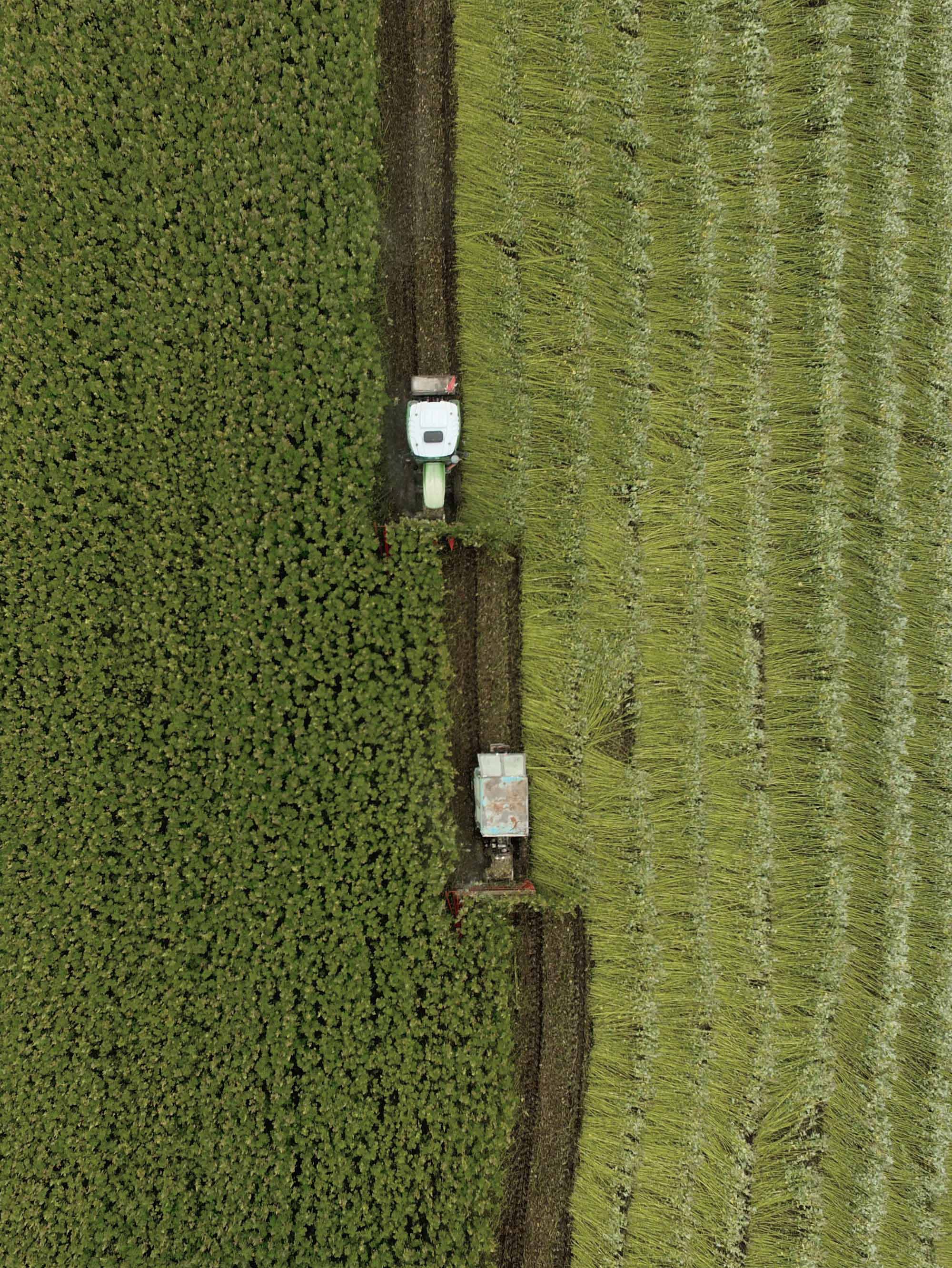
The harvesting machine moved gently along the edge of the field, cutting the tall stalks and laying them flat for retting – the first process in hemp fibre processing when microorganisms started to eat away the tissues binding fibres, allowing them to separate. I asked if they were ever turned, as linen is, to ensure even retting. He shook his head – there was no machine that could do that, as hemp stalks were far longer than flax. I didn’t ask exactly how long, but since I could easily get lost in the field, most plants must have been over two metres tall.
The retting period depended heavily on weather, but had to finish by mid-September, when the first snow usually fell. If conditions allowed, the hemp was tied in bunches and stood vertically in the field to dry, before being stored until November or December, when scutching took place in drier weather. I didn’t see the next stage of processing that time, as it wasn’t the right season. The harvested stalks were frozen before processing, which, as I understood it, helped fibre separation. Even with my Nordic background, it was hard to imagine hemp processing in –30°C, but if everything else in life continued there, why not hemp processing too?
The smell of hemp, so familiar to many Londoners, was overwhelmingly present in the fields. I rubbed some seeds in my hands, and the scent was unmistakably hemp, pleasantly mixed with the freshness of freshly cut grass.
TEA WITH UNCLE GUAN
Around midday the rain returned, forcing us to leave the fields. After a lunch stop, with locally foraged mushrooms, we were back at Uncle Guan’s office, where it was now time for tea. Seated at a table designed for tea drinking, Uncle Guan first rinsed our cups with hot water, then washed the tea leaves and effortlessly refilled our cups as soon as we took a sip. He shared more of his story: the beginnings of his venture, cultural differences between regions, failed business deals, and how many people had doubted him at the beginning of his hemp journey. When asked what kept him going, he simply said he didn’t like failure, so he had no choice but to succeed.
Over the years he planted more than a thousand hectares of hemp and ran five hemp processing facilities. He rented land and bought hemp from other farmers. Hemp could only grow on the same land once every four years, but it improved soil quality for food crops like corn and beans.
Five years earlier, he had even developed his own seed variety, which he creatively named New Hemp No. 1. The seeds were grown in the south but sown in the north. As for the future, Uncle Guan said he wasn’t motivated by money; rather, he valued his reputation and expertise and wanted to grow and oversee as much high-quality hemp as possible. At 67, his main concern was maintaining quality across so many fields. Looking ahead, he hoped his grandson would continue the business.
When we arrived, Uncle Guan went straight into the field, grabbed a hemp plant a head taller than him, pulled it from the ground, and stripped fibres from the stalk, showing how they separated from bottom to top. He seemed genuinely happy to be in the field with us.
The harvesting machine moved gently along the edge of the field, cutting the tall stalks and laying them flat for retting – the first process in hemp fibre processing when microorganisms started to eat away the tissues binding fibres, allowing them to separate. I asked if they were ever turned, as linen is, to ensure even retting. He shook his head – there was no machine that could do that, as hemp stalks were far longer than flax. I didn’t ask exactly how long, but since I could easily get lost in the field, most plants must have been over two metres tall.
The retting period depended heavily on weather, but had to finish by mid-September, when the first snow usually fell. If conditions allowed, the hemp was tied in bunches and stood vertically in the field to dry, before being stored until November or December, when scutching took place in drier weather. I didn’t see the next stage of processing that time, as it wasn’t the right season. The harvested stalks were frozen before processing, which, as I understood it, helped fibre separation. Even with my Nordic background, it was hard to imagine hemp processing in –30°C, but if everything else in life continued there, why not hemp processing too?
The smell of hemp, so familiar to many Londoners, was overwhelmingly present in the fields. I rubbed some seeds in my hands, and the scent was unmistakably hemp, pleasantly mixed with the freshness of freshly cut grass.
TEA WITH UNCLE GUAN
Around midday the rain returned, forcing us to leave the fields. After a lunch stop, with locally foraged mushrooms, we were back at Uncle Guan’s office, where it was now time for tea. Seated at a table designed for tea drinking, Uncle Guan first rinsed our cups with hot water, then washed the tea leaves and effortlessly refilled our cups as soon as we took a sip. He shared more of his story: the beginnings of his venture, cultural differences between regions, failed business deals, and how many people had doubted him at the beginning of his hemp journey. When asked what kept him going, he simply said he didn’t like failure, so he had no choice but to succeed.
Over the years he planted more than a thousand hectares of hemp and ran five hemp processing facilities. He rented land and bought hemp from other farmers. Hemp could only grow on the same land once every four years, but it improved soil quality for food crops like corn and beans.
Five years earlier, he had even developed his own seed variety, which he creatively named New Hemp No. 1. The seeds were grown in the south but sown in the north. As for the future, Uncle Guan said he wasn’t motivated by money; rather, he valued his reputation and expertise and wanted to grow and oversee as much high-quality hemp as possible. At 67, his main concern was maintaining quality across so many fields. Looking ahead, he hoped his grandson would continue the business.
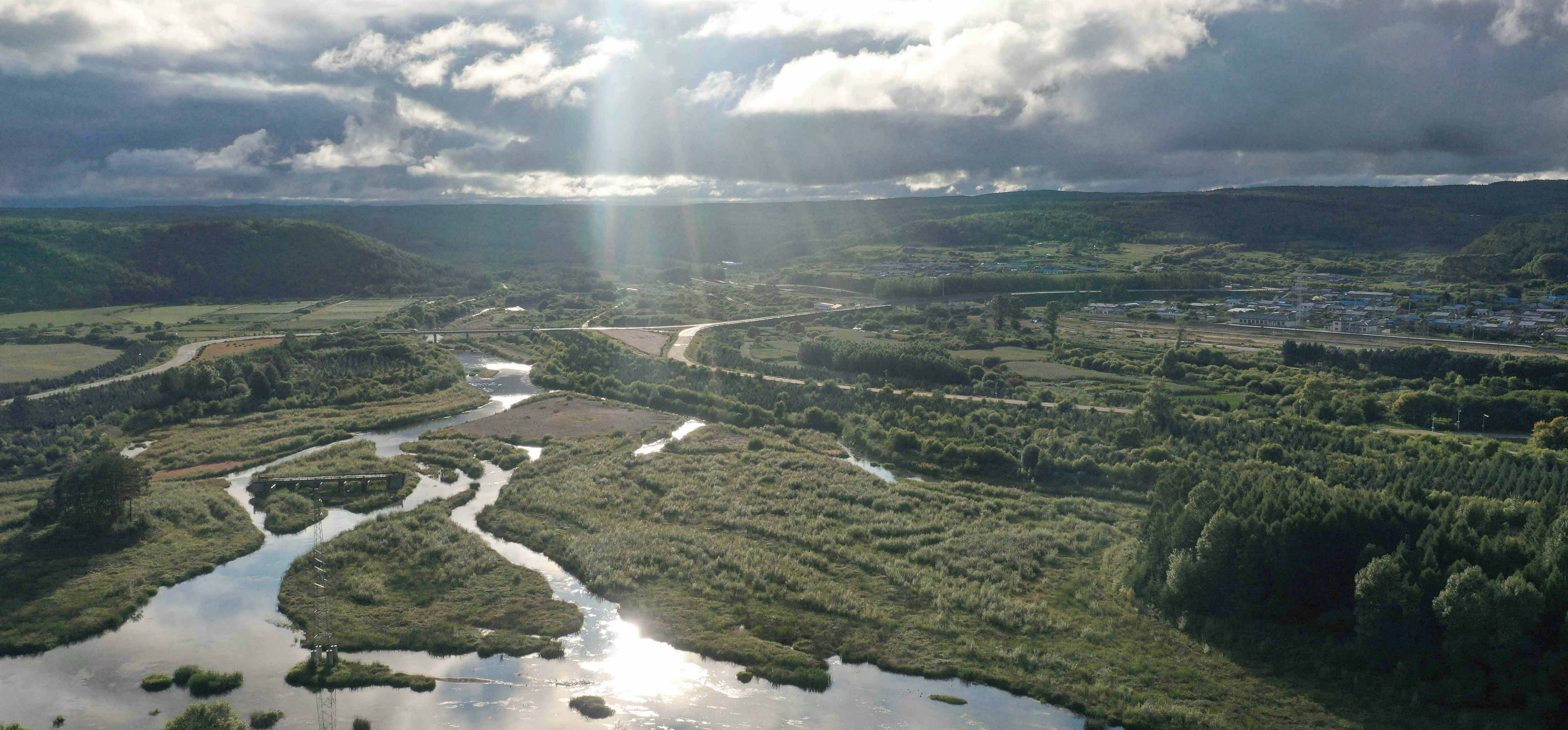
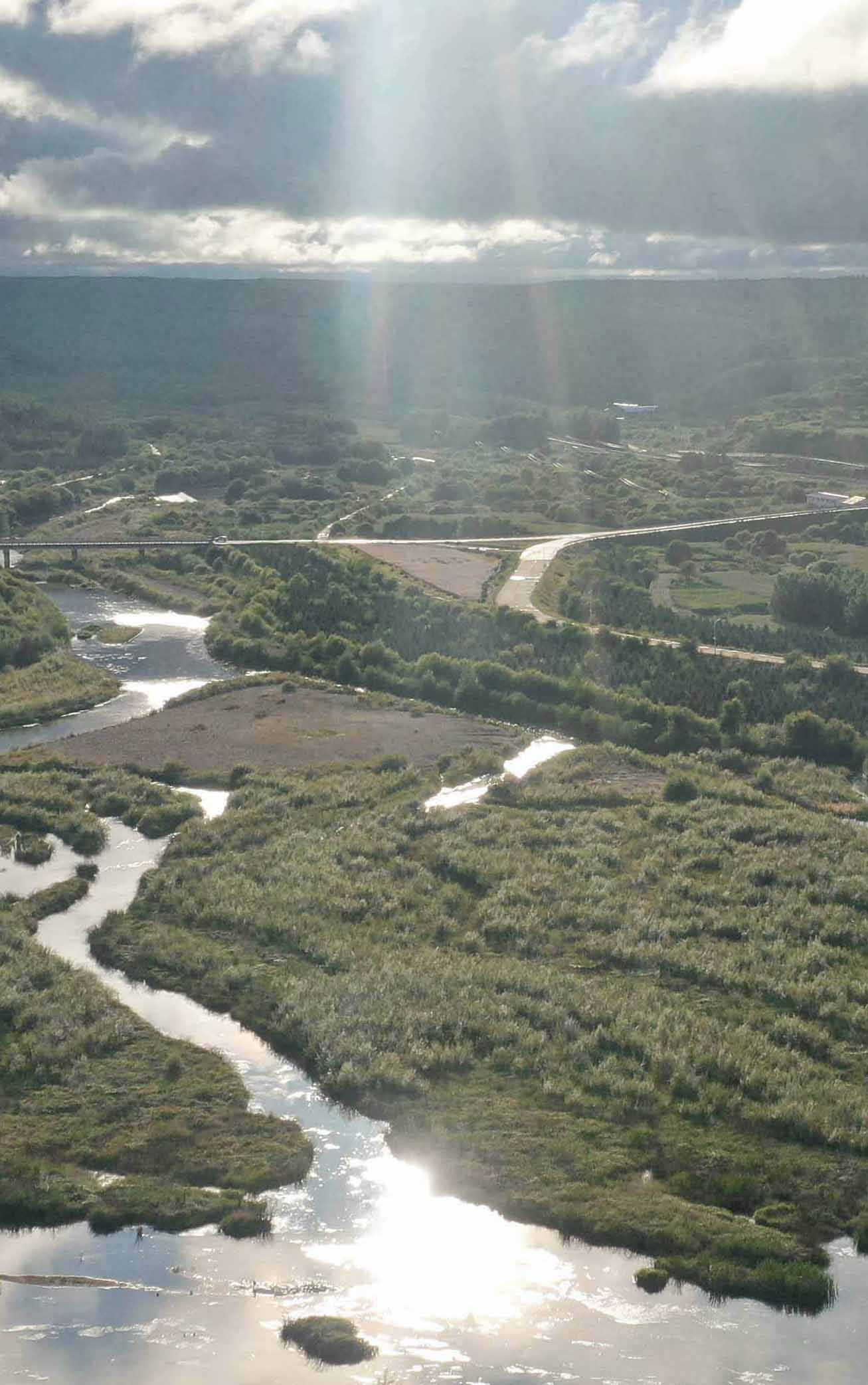
As we drove back, the road unfolded through an endless cycle of scenery: lush forests giving way to sprawling fields, only to dissolve back into woodland again. The landscape was mesmerising in its repetition - an ocean of green softened by the rain, at once wild and untamed with its mixed forests and thick undergrowth, yet also carefully harnessed by agriculture. There were no villages, no houses along the way. Only the occasional rusting farm machine abandoned by the roadside, a warehouse, or some anonymous food-processing building.
I often used to stare at maps of northern Asia, wondering about the vast blank spaces between towns. Who lived there, and what did life look like? Now, I was beginning to understand. The reality was both simple and striking. Here, life revolved around the land. The towns served as hubs for workers providing shops, restaurants, and places to meet, while everything in between was farmland divided by forests. Nothing more was needed, and nothing more existed. As we drove on, I found myself wondering how much of city life - our food, clothing and even the air we breathed - depended quietly on regions like this.
I often used to stare at maps of northern Asia, wondering about the vast blank spaces between towns. Who lived there, and what did life look like? Now, I was beginning to understand. The reality was both simple and striking. Here, life revolved around the land. The towns served as hubs for workers providing shops, restaurants, and places to meet, while everything in between was farmland divided by forests. Nothing more was needed, and nothing more existed. As we drove on, I found myself wondering how much of city life - our food, clothing and even the air we breathed - depended quietly on regions like this.
Part 2: Yarns in the mountains