

YAK
Yak might not be the first fibre that comes to mind when thinking of our signature collections, but it’s been quietly transforming some of our hemp and organic cotton fabrics by adding a softer touch and a warmer feel.
The roof of the world
The yak fibre featured in our collections is sourced from long-haired domesticated yaks (Bos grunniens), native to the expansive Qinghai Plateau. It’s located north of the Himalayas and often referred to as the "Roof of the World" for its vast landscape where the average elevation is above 4,500 metres.
For thousands of years, yaks have been an essential part of life for local herders. Valued not only for their strength in farming and transportation, they also provide milk, meat, and wool. Thriving in the region’s extreme climate, where few other animals can survive, yaks play an important part in the life of the local communities.
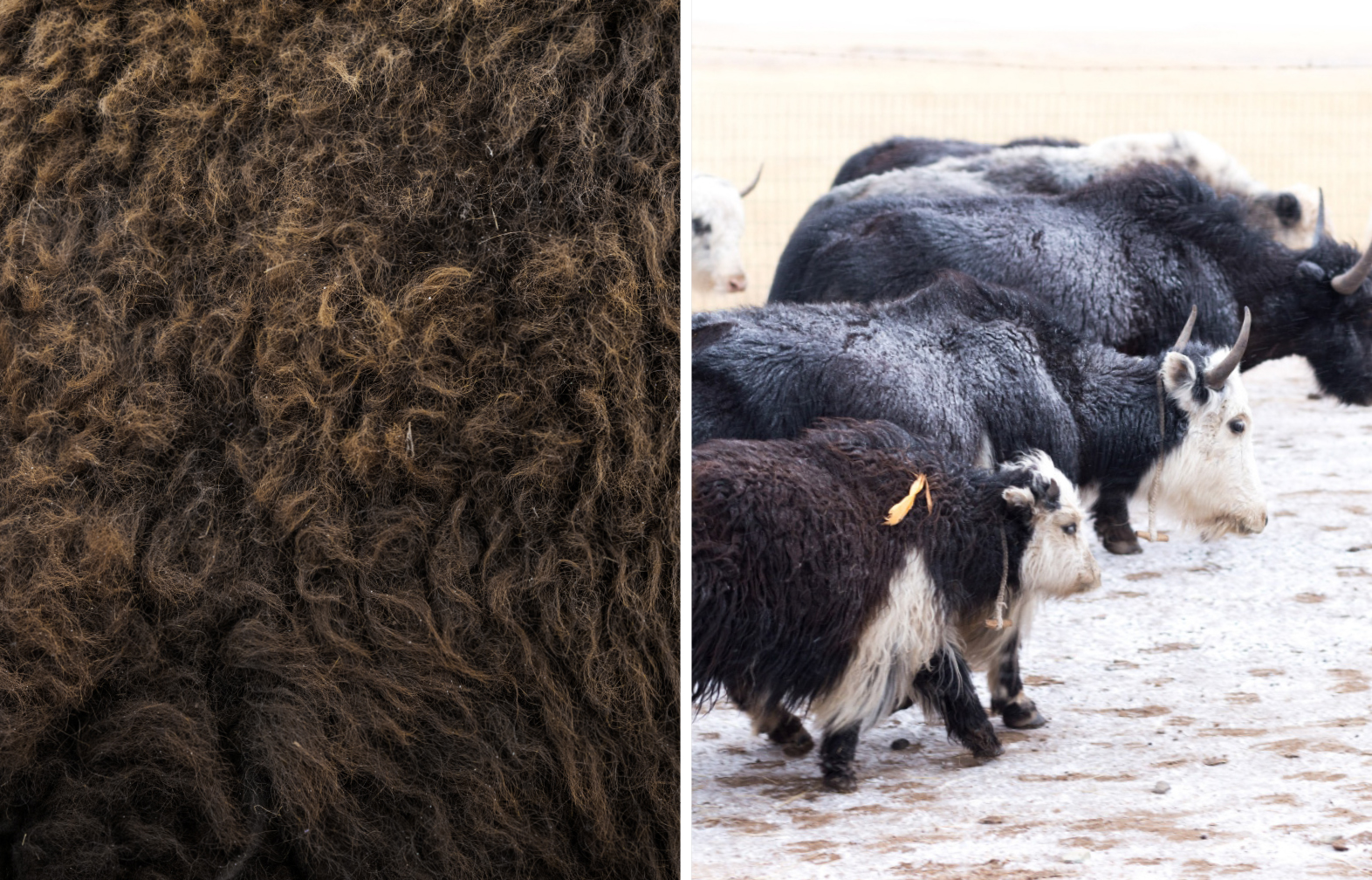
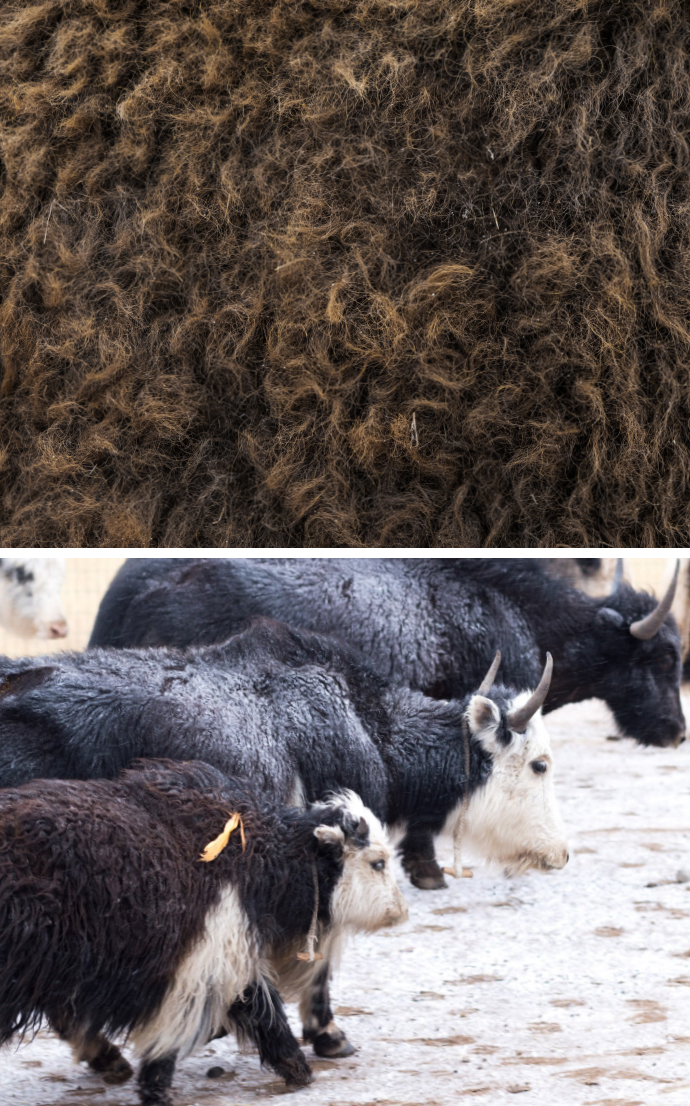
Yaks are also gentle grazers, causing minimal impact on the land. Unlike goats, which have harder hooves and often uproot plants while feeding, yaks have softer hooves and graze without damaging root systems. Combined with their multiple uses, this makes them gentler on the environment as they do not contribute significantly to the desertification of the land.
Three coats
Long-haired yaks have three distinct layers in their coats. The outermost is the long topcoat – very coarse hair that offers protection from wind and harsh weather. Traditionally, this layer has been used for insulation in the making of tents, ropes, and other durable goods.
Beneath that lies the mid-layer, composed of medium-coarse wool. This is typically used for rugs, padding, and various household items, offering a balance between strength and warmth.
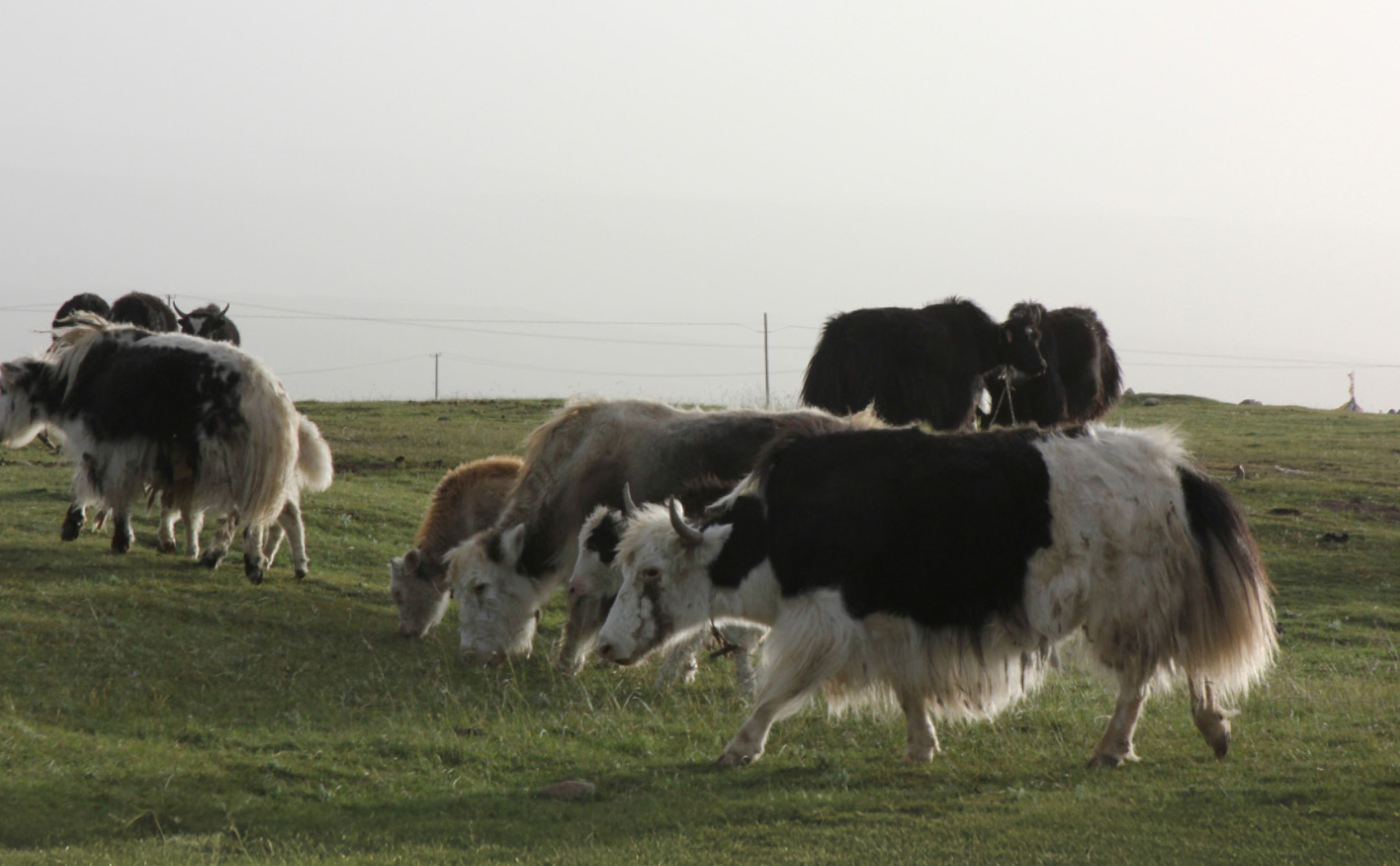
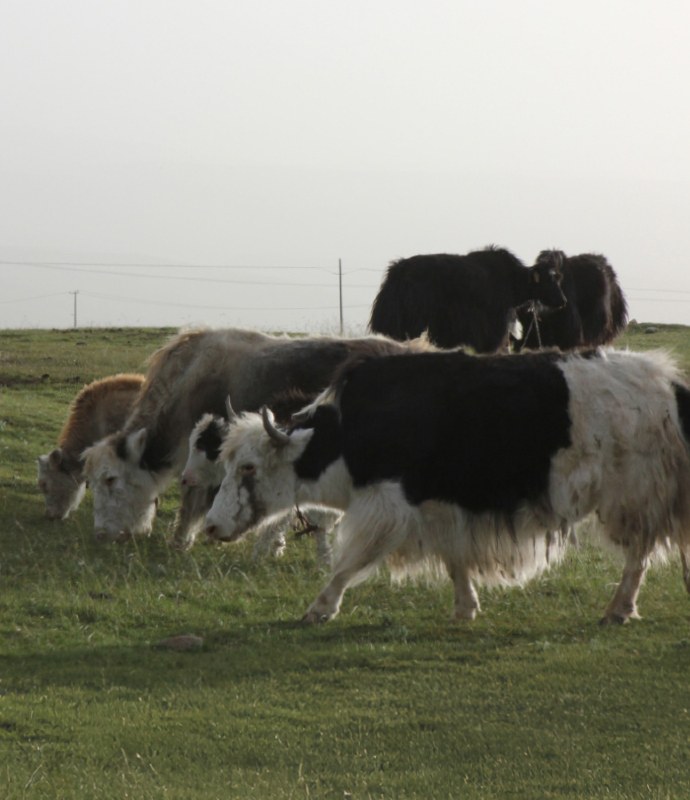
The innermost layer, known as khullu, is the fine undercoat which is especially soft around the neck area. This fibre develops to insulate the animal against the extreme winter cold and is naturally shed in spring, when it can be harvested through combing. With a diameter of approximately 16–20 microns, khullu rivals cashmere in softness. Due to its relatively low yield and the yak’s importance for other purposes, the animals are not primarily kept for their fibre, making khullu both rare and expensive.
Although yak fibre is as soft as cashmere, its staple length is shorter which means it performs best when blended with other fibres. We combine yak with organic cotton and hemp to create unique and functional fabrics. Some of our favourites include yak corduroy, woven twills, and our newest addition: a jersey made from hemp, organic cotton, and yak. Even in small amounts, yak adds noticeable softness, warmth, and lightness to the fabric.


The yak fibres we use are always unbleached. Naturally dark brown in colour, it appears in our garments as subtle darker flecks running through the cloth. This gives the fabric a beautiful, marled appearance that we love, while also saving energy and resources by avoiding bleaching processes.